
What Business Structure Should You Choose in 2026?
Choosing the right business structure is one of the most important decisions for any entrepreneur or startup. The structure you select affects taxes, liability, management, and long term growth.
With new regulations, tax changes, and evolving business trends in 2026, understanding business structure options is essential for both small and growing businesses. The right choice ensures legal protection, financial efficiency, and flexibility for future expansion.
Understanding What a Business Structure Is
A business structure defines how a company is legally organized, how it is taxed, who is liable for debts, and how decisions are made. Selecting the appropriate structure impacts everything from daily operations to long term growth potential.
In 2026, entrepreneurs must consider liability protection, tax efficiency, and scalability when deciding their legal entity. Companies like BizFormationPro guide clients through this critical choice to ensure compliance and success.
Why Business Structure Matters
The structure determines:
- Liability: Who is personally responsible for business debts and legal claims.
- Taxes: How profits are taxed and how business expenses are treated.
- Management: How decisions are made and how ownership is divided.
- Growth Potential: How easy it is to attract investors or expand operations.
Choosing the wrong structure can lead to unnecessary taxes, legal exposure, and operational challenges, making understanding business structure essential for entrepreneurs.
The Most Common Business Structures in 2026
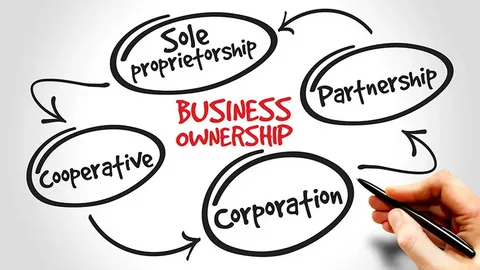
Entrepreneurs today have several options, each with unique advantages and disadvantages. Selecting the right one depends on your goals, industry, and resources.
Below is a breakdown of the most common business structures for small businesses and startups.
Sole Proprietorship
A sole proprietorship is the simplest form of business. One person owns and manages the business.
Pros:
- Simple setup and minimal regulatory requirements
- Complete control over decision making
- Profits taxed as personal income
Cons:
- Unlimited personal liability for business debts
- Harder to raise capital or scale
- Limited continuity if the owner exits
Sole proprietorships are ideal for freelancers, consultants, or low risk businesses starting small. Companies like BizFormationPro often guide new entrepreneurs in establishing this structure quickly.
Partnership
A partnership involves two or more individuals sharing ownership, profits, and responsibilities. Partnerships are flexible and easy to establish.
Pros:
- Shared financial and management responsibilities
- Easy to pool resources and skills
- Profits pass through personal tax returns
Cons:
- Joint liability for debts and legal issues
- Potential for disputes among partners
- Changes in ownership can complicate continuity
Partnerships are suitable for collaborative ventures, professional practices, or businesses that rely on combined expertise. Offering guidance on business partnership agreements ensures clarity and protects all parties.
Limited Liability Company (LLC)
An LLC combines the flexibility of a partnership with the liability protection of a corporation. It is one of the most popular business structures in 2026.
Pros:
- Personal liability protection for owners (members)
- Pass through taxation (avoids double taxation)
- Flexible management structure
- Easier to raise capital than sole proprietorships
Cons:
- Higher setup costs than sole proprietorships
- Varying regulations depending on the state
- More complex record keeping than sole proprietorships
LLCs are ideal for small businesses and startups looking to protect personal assets while keeping management flexible. Articles about LLC formation benefits often perform well for entrepreneurs seeking guidance.
 S Corporation
S Corps offer limited liability protection and allow profits to pass through to shareholders’ personal taxes. This structure can be beneficial for tax optimization.
Pros:
- Avoids double taxation
- Liability protection for shareholders
- Can save on self employment taxes
Cons:
- More regulations and formalities than an LLC
- Limitations on number and type of shareholders
- Requires filing with the IRS and state authorities
S Corps are best suited for small businesses anticipating moderate profits, owners seeking tax advantages, and those who want structured management. Understanding S Corp vs. LLC advantages is key to informed decision making.
C Corporation
C Corps are separate legal entities with shareholders and a board of directors. They are common for businesses planning to attract investors or go public.
Pros:
- Limited liability protection
- Easier to raise capital via stocks
- Unlimited growth potential
Cons:
- Double taxation on profits (corporate and shareholder level)
- Extensive regulatory compliance and record keeping
- Higher administrative costs
C Corps are ideal for startups seeking venture capital, scalable operations, or IPO potential. Articles on C Corp formation and benefits help entrepreneurs plan long term growth strategies.
Factors to Consider When Choosing a Business Structure
Choosing the right structure isn’t just about taxes or liability. Entrepreneurs must evaluate multiple factors to ensure alignment with business goals.
Liability Protection
Evaluate how much personal protection you need. LLCs and corporations shield owners from personal liability, whereas sole proprietorships and partnerships do not.
Smart tip: Consider the business industry and risk level before deciding. Offering guides on liability protection for small businesses can help attract readers.
Tax Implications
Each structure is taxed differently. Sole proprietorships and partnerships are pass through, while C Corps face double taxation. S Corps and LLCs offer flexible options depending on income and business goals.
Content on tax benefits for LLCs or S Corp election strategies provides actionable advice for entrepreneurs.
Funding and Investment Needs
If raising capital is a priority, corporations are often more attractive to investors. LLCs can also attract investors, but sole proprietorships and partnerships may limit growth potential.
Highlighting funding options based on business structure encourages readers to plan for future growth.
Administrative Complexity
Some structures require more paperwork, annual reports, or corporate formalities. Entrepreneurs should balance legal protection with administrative burden to ensure sustainability.
Providing step by step setup guides for LLCs and corporations helps simplify this process.
Long Term Goals
Consider whether the business will remain small, expand nationally, or go public. The right structure aligns with both current needs and future ambitions.
Using case studies or success stories about businesses that transitioned from LLCs to corporations can illustrate long term strategy.
The Process of Forming a Business Structure
Once a structure is selected, forming the business involves specific steps, which vary by entity type and state.
Choosing a Name and Registering Your Business
Your business name must be unique, comply with state rules, and be registered with the appropriate authorities. This is the first step in formalizing any business structure.
Highlighting business name registration tips can help entrepreneurs avoid delays and conflicts.
Obtaining Necessary Licenses and Permits
Depending on the industry, location, and structure, licenses and permits may be required. Compliance ensures legal operation and protects the business from fines.
Guides on essential business licenses for 2026 can attract readers looking to start legally compliant operations.
Filing Formation Documents
LLCs, S Corps, and C Corps require filing articles of organization or incorporation with the state. Sole proprietorships and partnerships may require minimal documentation but must still comply with local regulations.
Providing step by step filing instructions positions your business as an expert in business formation.
Drafting Internal Agreements
Partnership agreements, operating agreements for LLCs, or shareholder agreements for corporations establish roles, responsibilities, and profit distribution.
Guides on LLC operating agreements and corporation bylaws are valuable internal linking opportunities.
Tips for Choosing the Right Business Structure in 2026
Making an informed decision requires careful evaluation of both personal and business priorities.
Assess Risk Tolerance
Entrepreneurs in high liability industries should prioritize personal asset protection. LLCs and corporations offer the strongest safeguards.
Evaluate Tax Benefits
Consider consulting a tax professional to determine which structure offers optimal savings and flexibility. S Corps vs. LLC tax strategies are frequently searched topics.
Consider Future Growth
Choose a structure that can scale with your business. Sole proprietorships may suffice for small operations, but corporations provide better infrastructure for large scale growth.
Seek Professional Guidance
Working with services like BizFormationPro ensures compliance, reduces errors, and streamlines the formation process. Professionals help navigate state specific regulations and filing requirements.
Conclusion
Choosing the right business structure is critical for legal protection, tax efficiency, and growth potential. From sole proprietorships to C Corps, each entity offers distinct advantages and considerations.
Companies like BizFormationPro provide expert guidance, ensuring entrepreneurs make informed choices and set a solid foundation for success. By evaluating liability, taxes, funding, and long term goals, business owners can confidently select the structure that best supports their vision.
Making the right choice today ensures smoother operations, financial efficiency, and flexibility to grow tomorrow.
Frequently Asked Questions
What is a business structure?
A business structure defines how a company is legally organized, taxed, and managed. It impacts liability, taxes, and ownership.
Which business structure is best for small startups?
LLCs are often preferred due to liability protection, tax flexibility, and ease of management. Sole proprietorships may suit low risk businesses.
Can I change my business structure later?
Yes, many businesses transition from sole proprietorships to LLCs or corporations as they grow. Consulting a professional helps with compliance and taxes.
How does a business structure affect taxes?
Structures like sole proprietorships and partnerships have pass through taxation. C Corps face double taxation, while S Corps and LLCs offer flexible options.
Do I need a professional to help choose a business structure?
Professional guidance, such as from BizFormationPro, ensures compliance, avoids mistakes, and simplifies the process.